Hospice care prioritizes comfort and quality of life by reducing pain and suffering. Hospice care provides an alternative to therapies focused on life-prolonging measures that may be arduous, likely to cause more symptoms, or are not aligned with a person's goals.
This article has explored various methods and technologies, from innovative HVAC systems to smart building technologies and renewable energy integration, demonstrating how they can significantly reduce energy consumption without compromising patient care.
Benchmark your facilitys energy consumption, establish a baseline and track over time. Educate yourself and your team on energy consumption trends and best practices. Participate in exercises to save energy and resources that can be put back into patient care. Participate in a national energy awards program and be acknowledged for your hard work.

This comprehensive guide explores strategies to enhance energy efficiency in healthcare facilities, addressing the unique challenges of these energy-intensive environments.
Uncover strategies for optimizing healthcare facilities for energy efficiency in 2024, focusing on sustainable practices and advanced technology integration.

Moving forward, it's essential to keep these visual contexts in mind when discussing Ways To Lower Energy Consumption In A Hospice Care Facility.
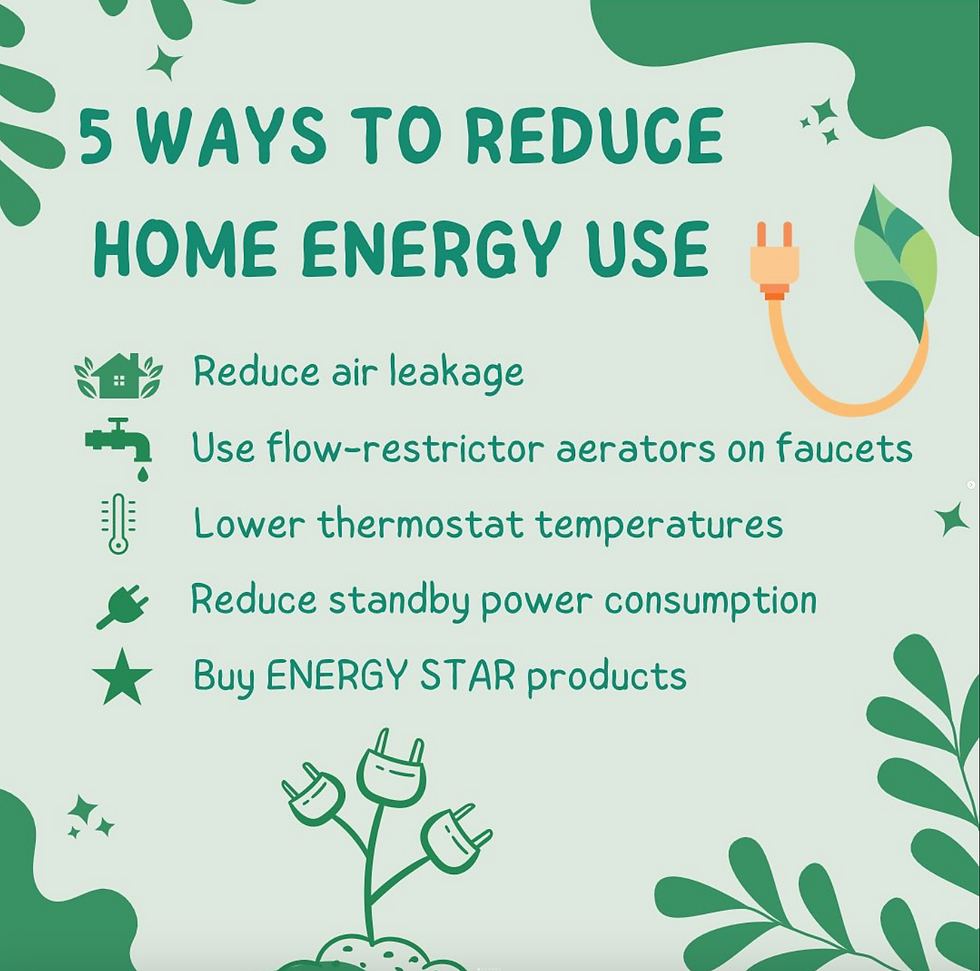
Lowering your thermostat has a positive impact on the environment by reducing energy consumption. This, in turn, lowers greenhouse gas emissions, helping combat climate change. The more people make these small changes, the greater the collective effect on the planet.
A VITAS volunteer shares her experience and what she learned along the way.They learned what their role as volunteers would be, what the legal and medical ramifications are for volunteers, and what its like to visit a hospice patient or his or her family.