Rescue Therapy: The response rate of relapsed feline lymphoma to doxorubicin is 22%; lomustine, 37%; and radiation therapy resulted in a clinical response in 10/11 cats.
Your cat has different options for treatment available. Learn what you need to know about feline lymphoma treatment options.Radiation therapy is an option for some cats, though there are not as many benefits to the treatment as there are from chemotherapy treatments.
Feline lymphoma is a malignant cancer of the lymphatic system, the exquisitely structured arrangement of internal organs and tissues that directly or indirectly influences virtually every aspect of a cats physical existence.
Feline GI lymphoma, or alimentary lymphoma, is the most common neoplasia found in the GI tract of cats.2 This type of cancer originates in lymphocytes and affects the lymphatic tissue of the GI tract.

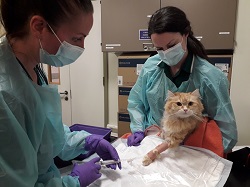
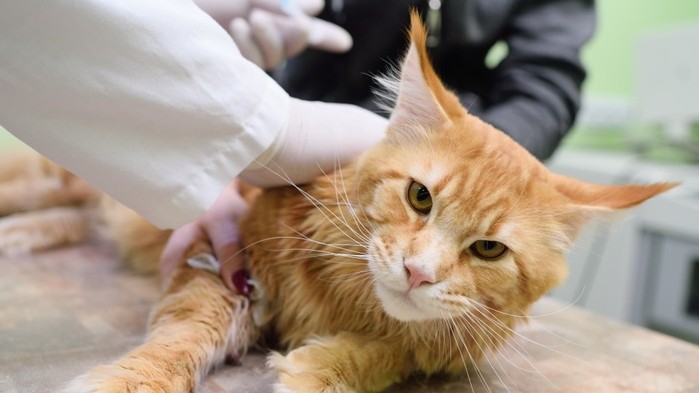
Furthermore, visual representations like the one above help us fully grasp the concept of Feline Lymphoma Radiation Therapy In Cats With Sepsis.
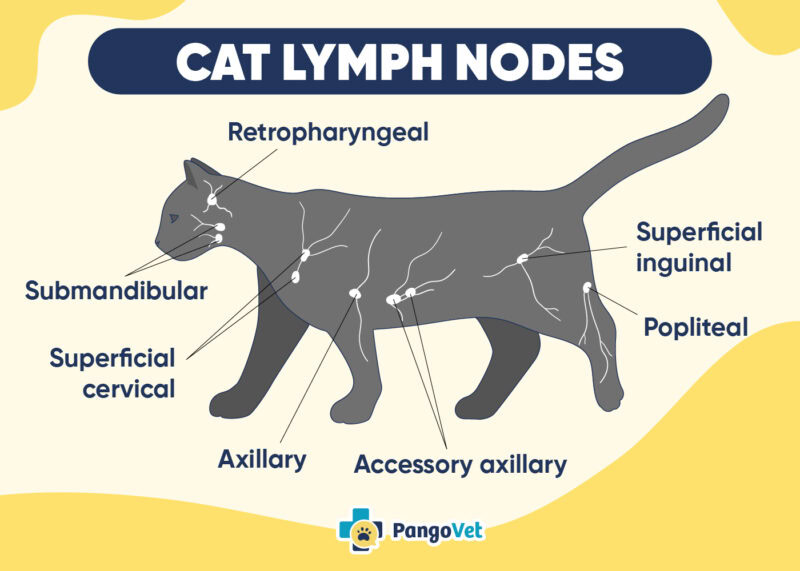
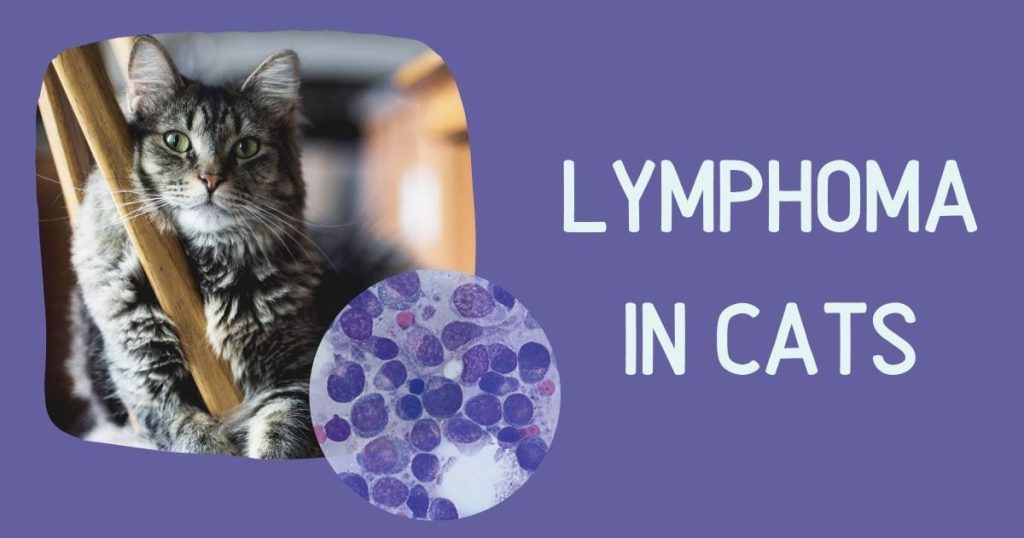
Medical Oncology: Feline Lymphoma. Lymphoma is a cancer of the cells of the immune system called lymphocytes. Lymphocytes are present throughout the body, so cats can develop lymphoma in multiple organs.
What is the Treatment for Sepsis in Cats? Treatment varies for every patient, but certain principles remain true for most. Immediate Hospitalisation and Intravenous Fluids. The sooner the cat is admitted to the clinic, the better, so aggressive fluid therapy can be started.
in cats with lymphoma.22. Radiation therapy. for nasal lymphoma.Three cats achieving complete local remission developed lymphoma outside the radiation field. One cat had recurrence at the site of irradiation.

Radiation therapy in feline lymphoma is mostly used in nasal, extranodal, or single node lymphoma. The authors conducted a retrospective study of the medical records of 11 cats with gastrointestinal lymphoma. All the cats had relapsed or resistant lymphoma.
Likely underdiagnosed in cats, low-grade alimentary lymphoma (LGAL), also known as small cell lymphoma, has an indolent course and a slow progression. Owners typically report chronic clinical signs (at a median of 6 months) that may intermittently respond to supportive medications.