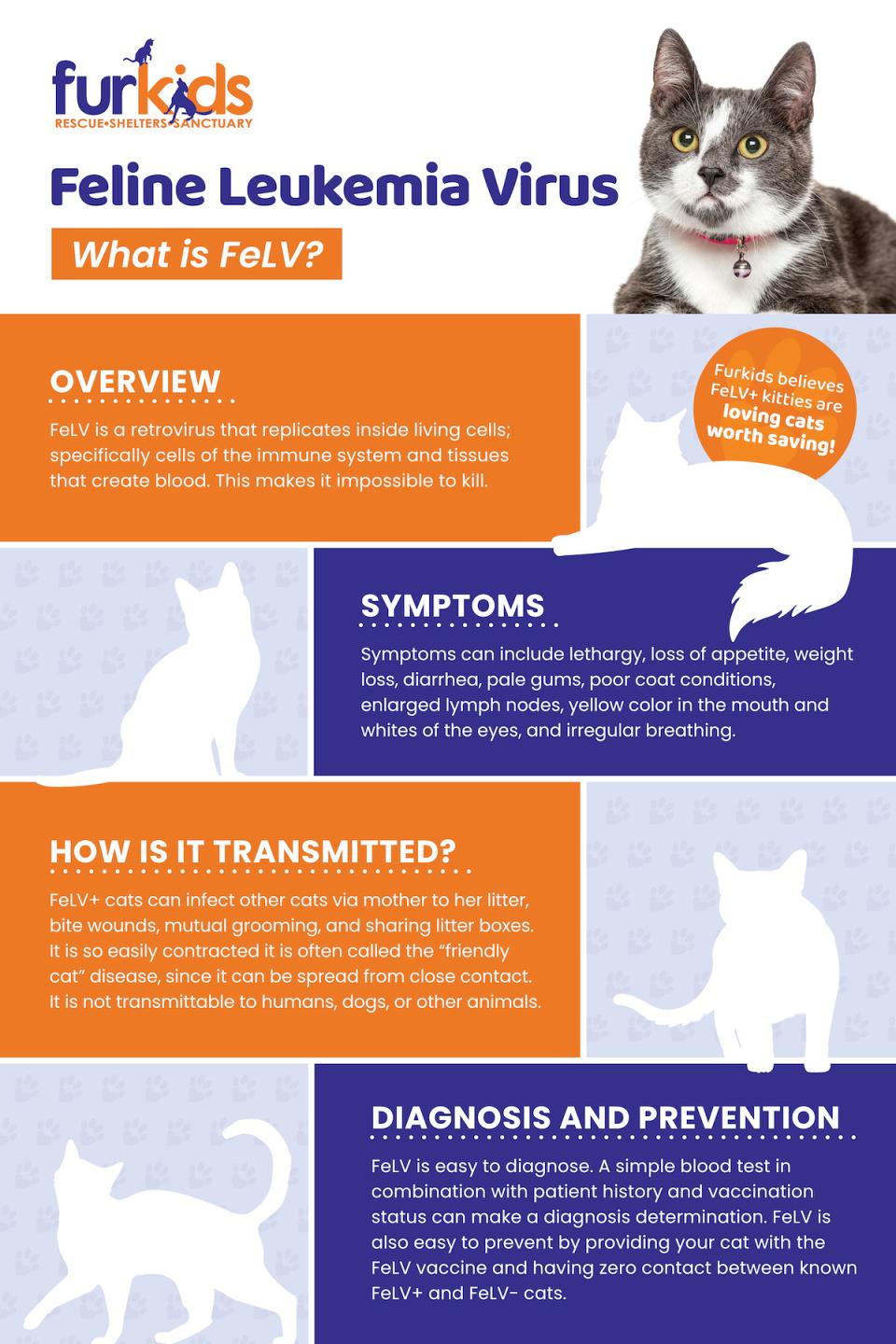
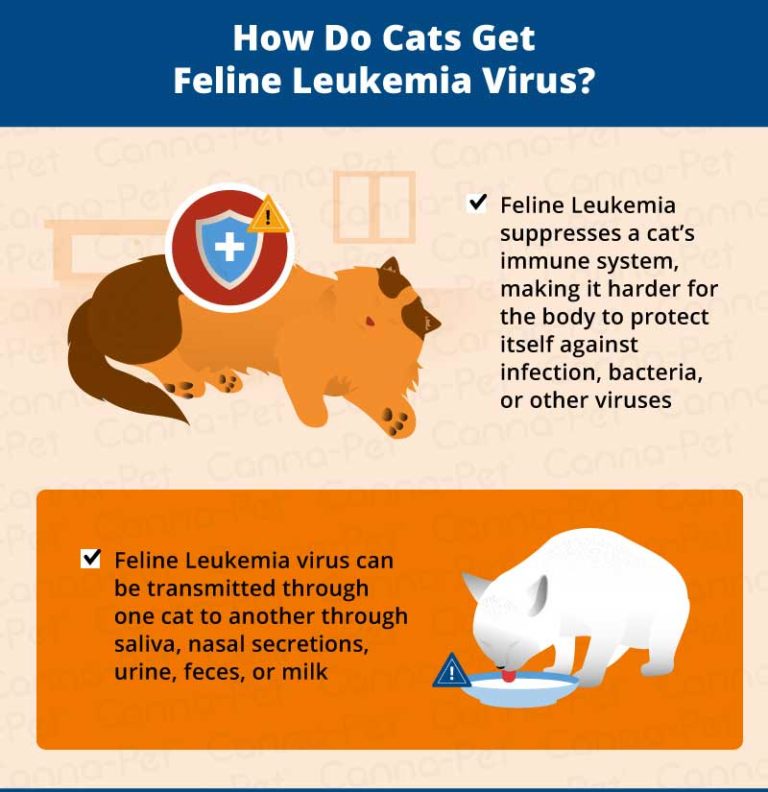
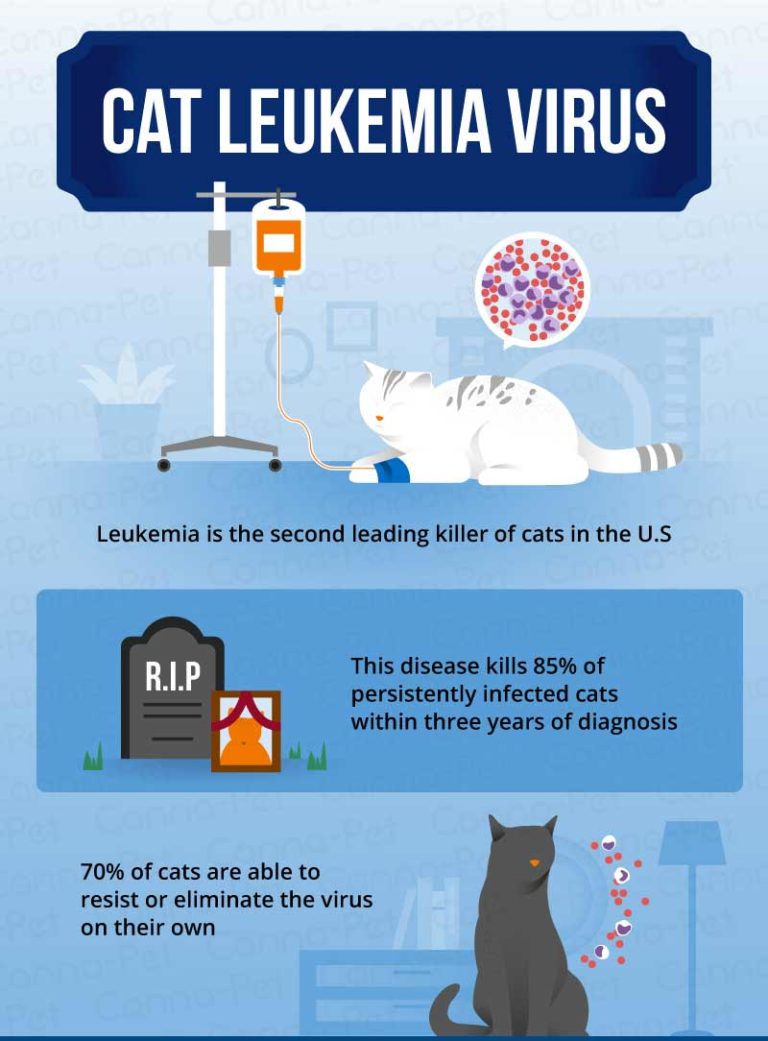
Feline leukemia virus is a retrovirus that infects cats. FeLV can be transmitted from infected cats when the transfer of saliva or nasal secretions is involved.
Discover comprehensive insights into feline leukemia causes, symptoms, and effective vet-verified treatment options. Learn how to support your cat's health naturally with Zumalka's trusted products.
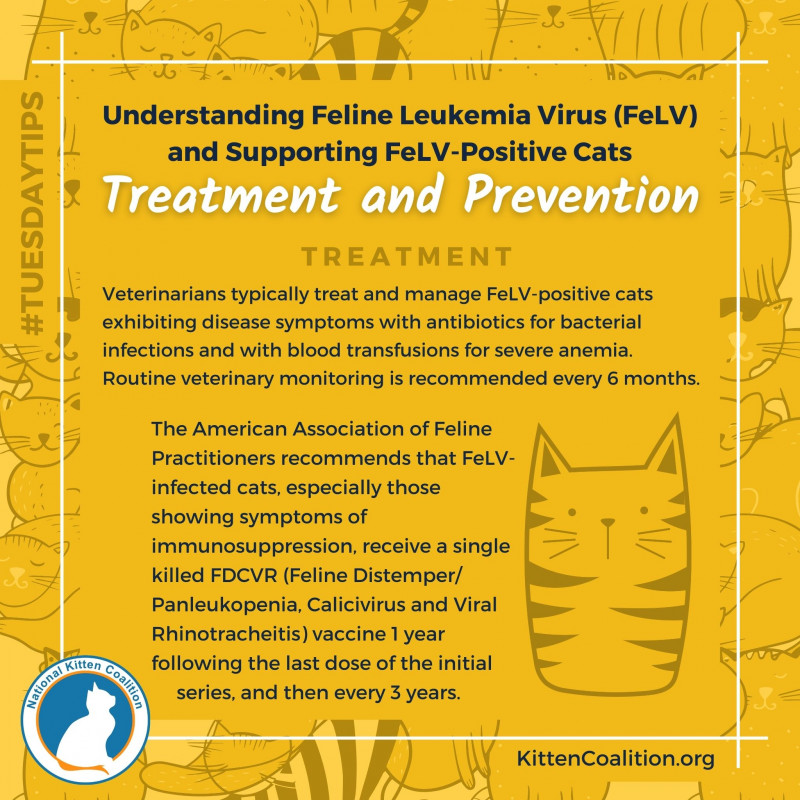
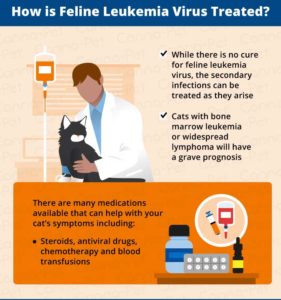
WebMD explains feline leukemia virus (FeLV), including symptoms, risk factors, treatments, and prevention.There is presently no cure for FeLV infection. Secondary infections can be treated as they appear, and cats with cancer can receive chemotherapy.

Feline leukemia virus is a common disease that affects about 2% of cats in the United States. It is spread cat-to-cat and leads to the destruction of the cats white blood cells and immune system. This. leaves them more susceptible to infection, cancer, and death.
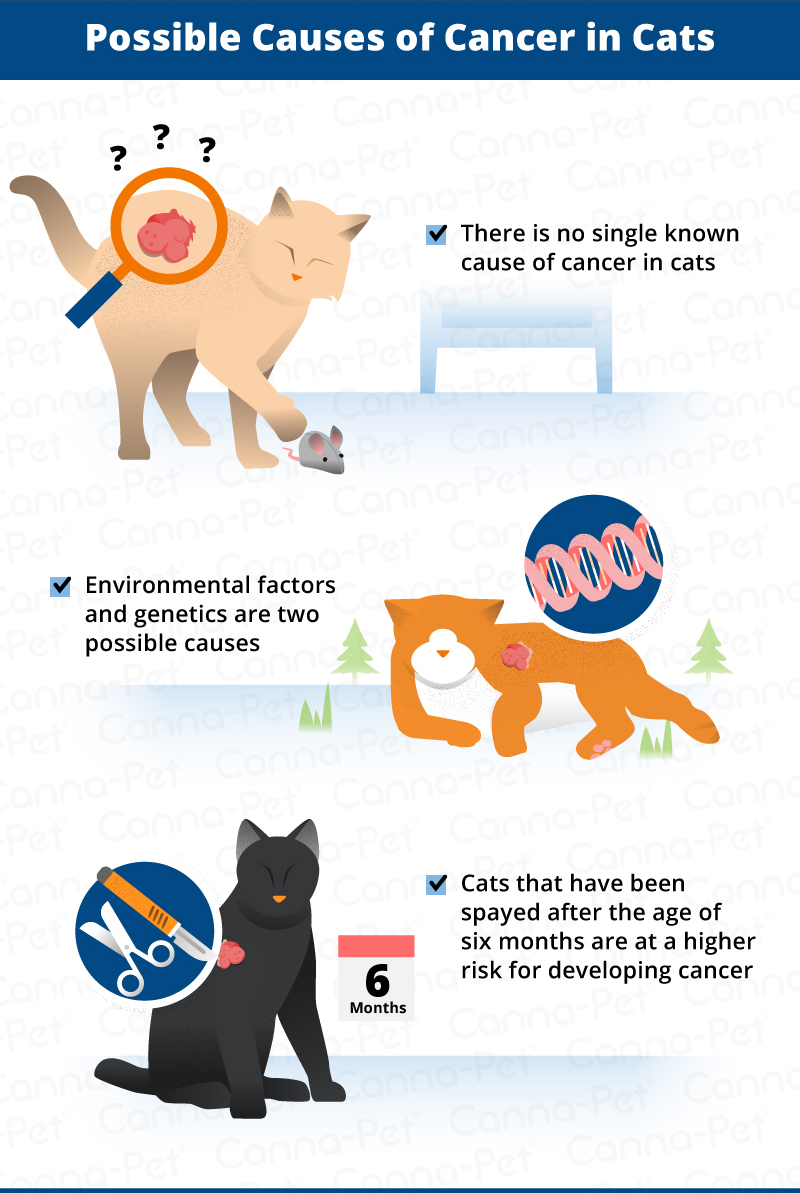
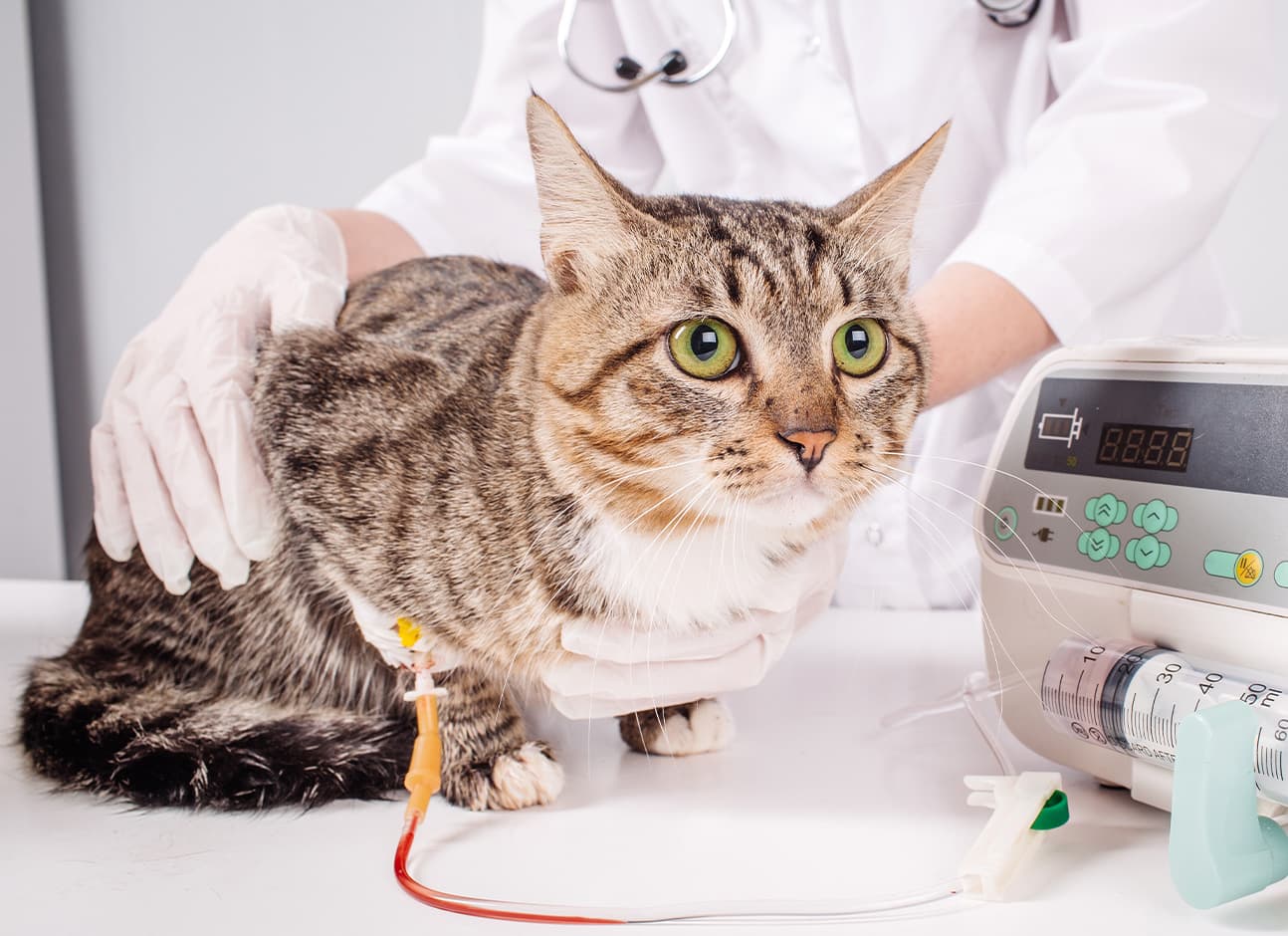
Moving forward, it's essential to keep these visual contexts in mind when discussing Feline Leukemia Treatment Protocols For Cats With Cancer.
Feline leukemia virus (FeLV) is one of the most common infectious causes of disease of cats globally. Infection with FeLV can cause a variety of clinical signs, impacting a cat's longevity and quality of life.
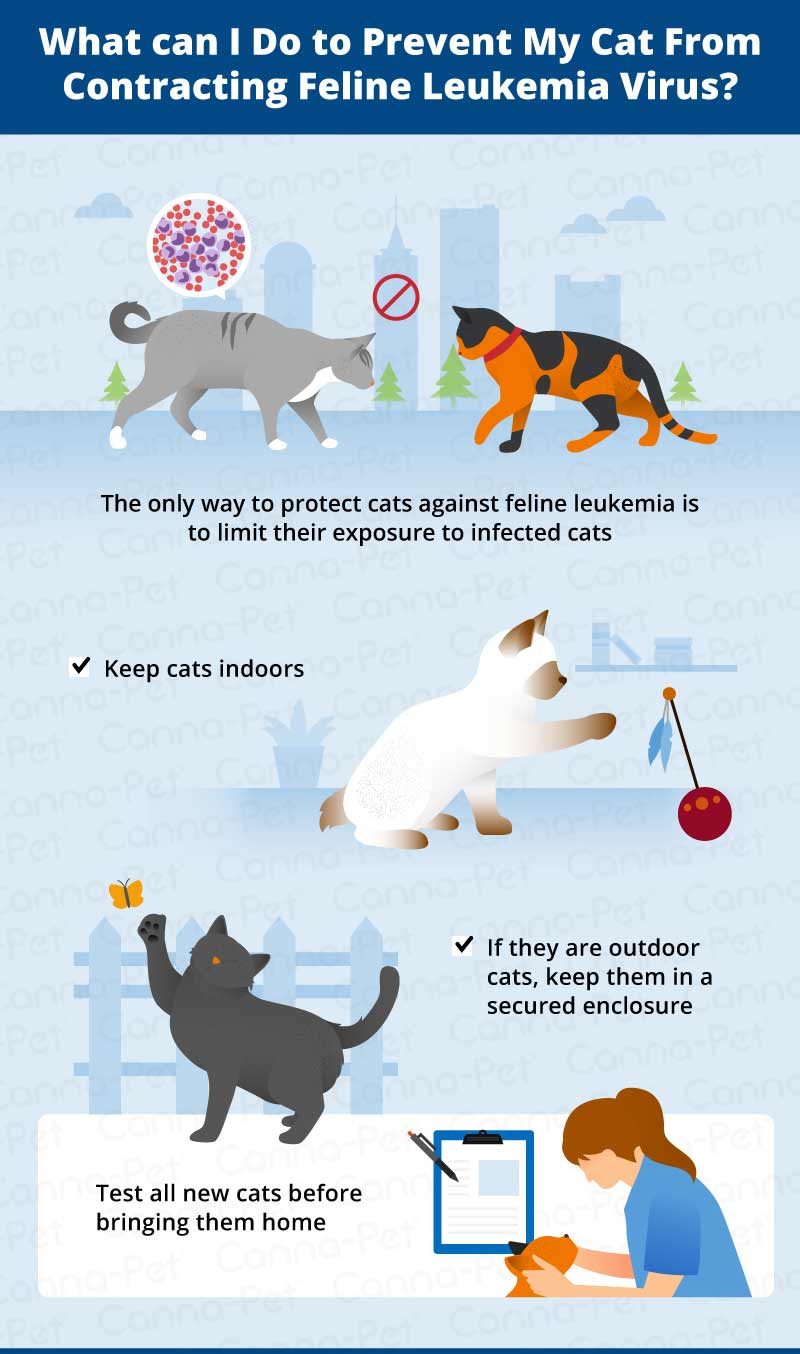
How to care for a cat with feline leukemia, All FeLV infected cats should be kept indoors and be neutered. There is presently no cure for FeLV infection.
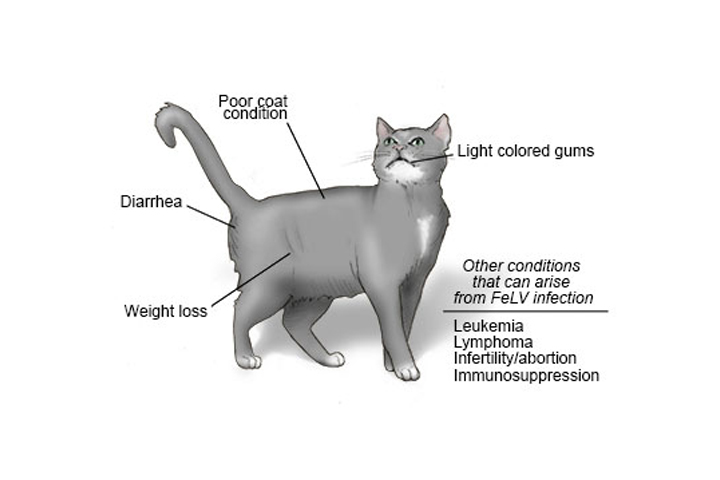
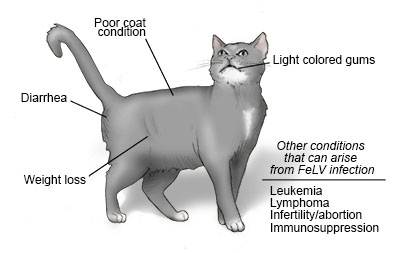
Cats can be infected with a virus called Feline Leukaemia Virus (FeLV), a virus which, if not fought by the kittys immune system before a certain infection stage, can cause secondary infections, anemia, weight loss and lymphomas (cancer of the lymph nodes).