Bud of Nelumbo nucifera, an aquatic plant. Aquatic plants, also referred to as hydrophytes,[1] are vascular plants and non-vascular plants[2] that have adapted to live in aquatic environments (saltwater or freshwater).
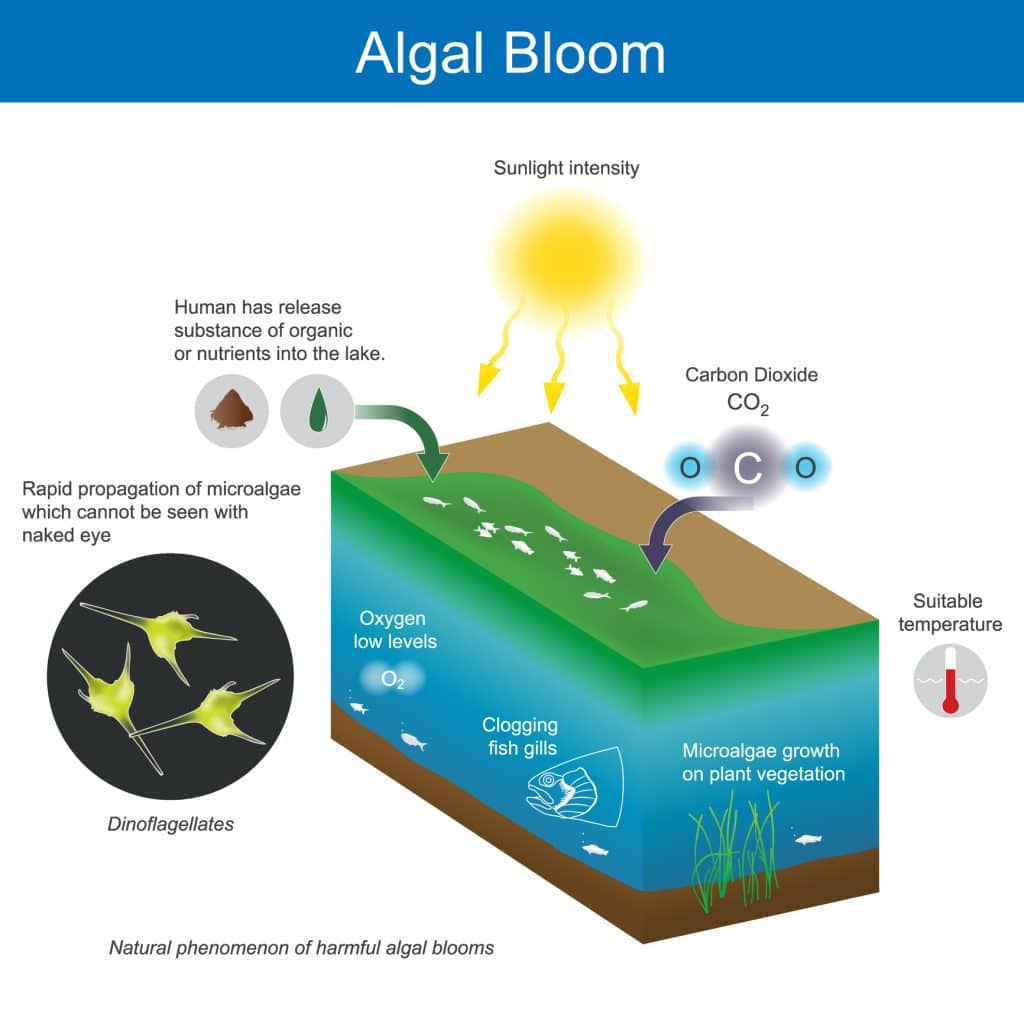
When does algae growth cause problems? When a specific algal type starts growing exponentially, it suffocates other aquatic organisms, which are essential for a balanced lake ecology.
Algae are a natural part of all aquatic ecosystems, but prolific growth can cause a dense mass of algae (called a bloom) to form.

This particular example perfectly highlights why Aquatic Plant Antioxidant Production And Algae Growth is so captivating.
Ultimately, addressing excessive aquatic plant and algae growth requires a collaborative effort involving individuals, communities, governments, and industries.
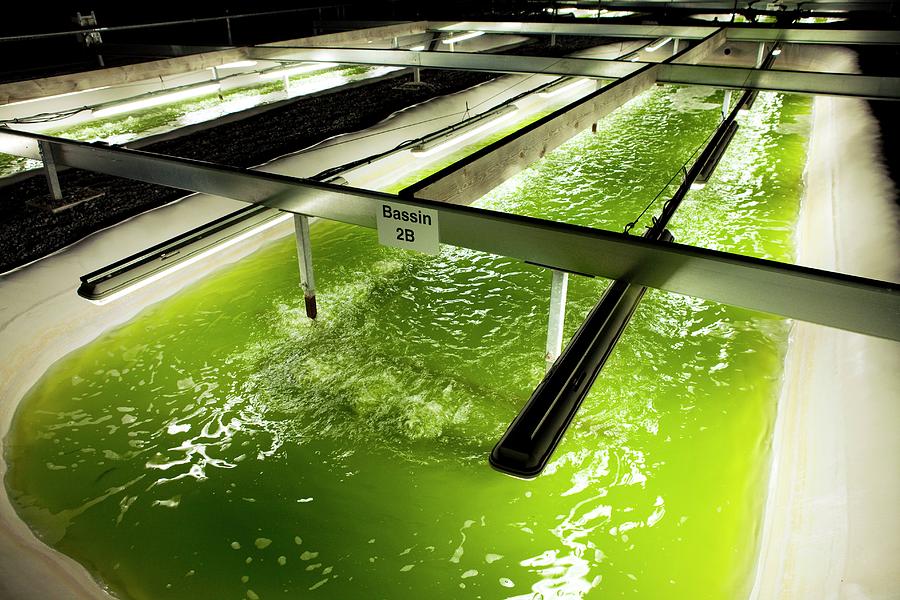
Algae have attracted much interest for production of foods, bioactive compounds and biofuel recently. We utilized natural water medium to grow algae, to understand the algae niche in ecosystem and to demonstrate the possibilities of production algae of water body in laboratory.

Six algae species were analyzed, including five microalgae and one macroalga. Phaeodactylum tricornutum and Saccharina japonica had the lowest antioxidant activities. The study aims to explore sustainable sources of natural antioxidants from fucoxanthin-producing algae.
Science Direct: Algae for plastic biodegradation and bioplastics production.
The excess algae and plant matter eventually decompose, producing large amounts of carbon dioxide. This lowers the pH of seawater, a process known as ocean acidification. Acidification slows the growth of fish and shellfish and can prevent shell formation in bivalve mollusks.